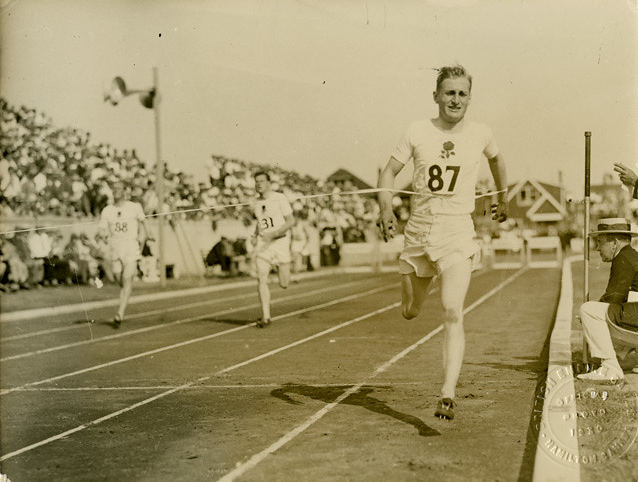
The first Commonwealth Games – then known as the Empire Games – was held in Hamilton, Canada in 1930. 11 teams: Australia, Bermuda, British Guiana, Canada, England, Ireland, Newfoundland, New Zealand, Scotland, South Africa, and Wales, competed in athletics, boxing, lawn bowls, swimming and diving, rowing and wrestling. Since its inaugural iteration, the Commonwealth Games has expanded, developed, reinvented itself and grown as the world around it has changed. Birmingham 2022 saw 20 sports, including eight which integrate para-sport: aquatics, athletics, basketball, cycling, lawn bowls, rugby, table tennis and triathlon, contested by 72 different teams. Glasgow 2026 will again showcase how the Games have been able to adapt in the face of a changing world, but here and now we look over the Games which have gone before and the success of English Athletics across them.
Why England?
Unlike the Olympic Games which requires Sovereign State Status, the Commonwealth Games was designed to allow British Overseas Territories, Crown Dependencies and other areas within the then British Empire to compete. England, Northern Ireland, Scotland, and Wales joined the Games as separate and distinct teams and have maintained this status until the present day. For British athletes the Commonwealth Games represents the pinnacle of what can be achieved in a Home Nations vest, and for many of our best known and most decorated athletes the Commonwealth Games has a springboard to international success.
Click below to see how the Commonwealth Games have changed, and how England have faired in the athletics over that time.